Pay in installments of $5.65 with
 ,
,
 and
and

Shipping Estimate
USA
- USA
- CAN
- USA
- CAN
Ships within 48 hours · Estimated delivery Jul 1 - Jul 6
 Promo Codes Available:
For Your Every Summer RSVP, with Code: SUMMER15
Description
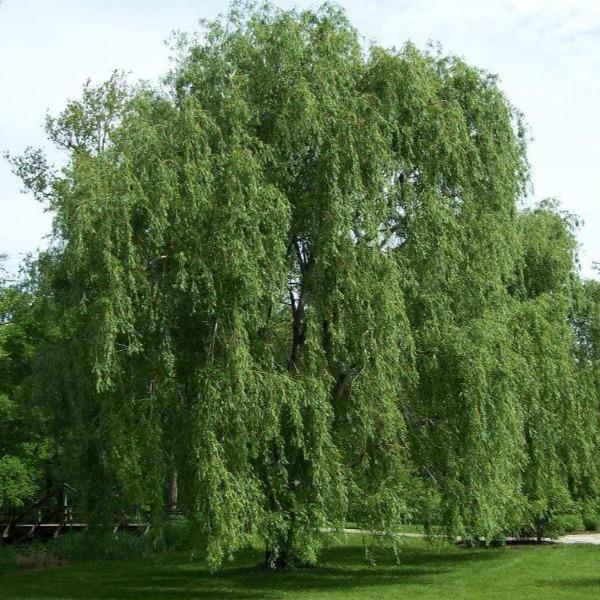
weeping willow house plant Weeping Willow Tree (Salix babylonica) Fast Shade Tree for SaleCreate A Backyard Landmark With That Classic Cascading Canopy Weeping Willow is the tree people picture when they imagine a peaceful, storybook yardlong, flowing branches that drape toward the ground and a canopy that turns open space into a cool, shaded retreat. Its a fast growing shade tree that makes a big visual impact quickly, which is exactly why its so popular for larger properties, waterfront edges, and wide open lawns that need a signature
Create A Backyard Landmark With That Classic Cascading Canopy
Weeping Willow is the tree people picture when they imagine a peaceful, storybook yard—long, flowing branches that drape toward the ground and a canopy that turns open space into a cool, shaded retreat. It’s a fast-growing shade tree that makes a big visual impact quickly, which is exactly why it’s so popular for larger properties, waterfront edges, and wide-open lawns that need a signature focal point. When it’s in the right spot, it doesn’t just “fit” the landscape—it becomes the landscape.
This is also a tree that changes how a yard feels. Under a mature willow, the light softens, the breeze calms down, and the whole space feels more private and settled. Use it to frame a pond, anchor a big lawn, or create a natural gathering spot where a bench or hammock suddenly makes sense. If you want instant character and fast shade without waiting a decade, Weeping Willow delivers that payoff in a way few trees can match.
Fast Growth, Big Footprint, And The Right Space To Let It Thrive
Weeping Willow grows quickly—often several feet per year when young—so it’s a smart pick when you want shade and presence sooner rather than later. Mature size is substantial, commonly reaching roughly 30–50 feet tall with a spread that can be just as wide. That wide canopy is the magic, but it’s also the planning piece: this tree needs room to stretch out naturally without bumping roofs, scraping siding, or forcing you into constant corrective pruning.
The roots matter just as much as the branches. Willows naturally seek moisture, and that can be a problem near septic systems, drain fields, water lines, or older pipes. For best long-term results, plant Weeping Willow well away from structures and utilities—think “big property tree,” not “tight suburban corner.” Give it space, and you’ll get a healthier tree, fewer maintenance issues, and that classic sweeping silhouette that makes the plant worth buying in the first place.
A Natural Match For Moist Sites, Pond Edges, And Low Spots
If you’ve got a spot that stays consistently moist—near a pond, at the bottom of a slope, or along a stream—Weeping Willow can be an ideal solution. It loves reliable moisture and can handle wet soils better than many shade trees, which is why it’s so often planted where water naturally collects. In the right conditions, it establishes quickly, stays lush through the growing season, and creates a cool, calming microclimate around it.
That said, “moist” and “waterlogged forever” are not the same thing. A good establishment is about consistent watering plus oxygen in the root zone, especially during the first season. A deep watering rhythm (not quick sprinkles) helps the tree build a strong root system that supports faster top growth. Once established, a willow is more forgiving, but it will always look best when it isn’t forced to bake dry for weeks on end. If your site runs dry in summer, plan to water during drought to keep foliage full and stress low.
Simple Pruning And Care That Keep A Willow Looking Beautiful
Weeping Willow is not a “set it and forget it” tree, but it doesn’t need fussy care either—just smart, timely maintenance. Because it grows fast, its wood can be more prone to breakage in storms, snow, or ice. The best approach is light, routine pruning to remove dead, damaged, or rubbing branches and to reduce the weight of long limbs before they become a problem. A little yearly attention can make a big difference in longevity and safety.
Timing matters. Do your structural pruning in late winter to early spring before heavy growth begins, then use small touch-ups during the season only if needed. Keep mulch under the canopy (not against the trunk) to protect roots and hold moisture, and avoid frequent high-nitrogen feeding that can push overly soft growth. If you give Weeping Willow the right location, consistent water during establishment, and basic pruning discipline, it rewards you with a canopy that’s dramatic, shady, and genuinely peaceful to live with.
Shipping Notes
- Free Standard Shipping on $100+ Orders to the USA.
- Except Preorder products are shipped in 48 hours.
- Delivery to the USA:
- Standard Shipping : 3-10 business days
- If time is of the essence, please consider selecting expedited delivery for faster service.
Exchange/Return Notes
- We offer a 30-day return/exchange service after receiving.
- Final sale items are not eligible for returns or exchanges.
- To process your return/exchange, please contact us at [email protected]
- Please click here for more details>>> Return & Exchange Policy